
Fire safety for housing associations and social landlords
Social landlords need fire risk assessments across hundreds of buildings, remedial works that get closed out, and data that stands up to regulators, boards and residents. We deliver BS 9792 assessments at portfolio scale, the works that follow and the records to prove it, under one programme, across South Wales, Bristol, the South West and larger portfolios UK-wide.
- BS 9792:2025Type 1 to 4 for blocks
- WHQS · RSHWales and England standards
- 30+ yearsFire and Rescue experience
- One programmeAssess, remediate, record
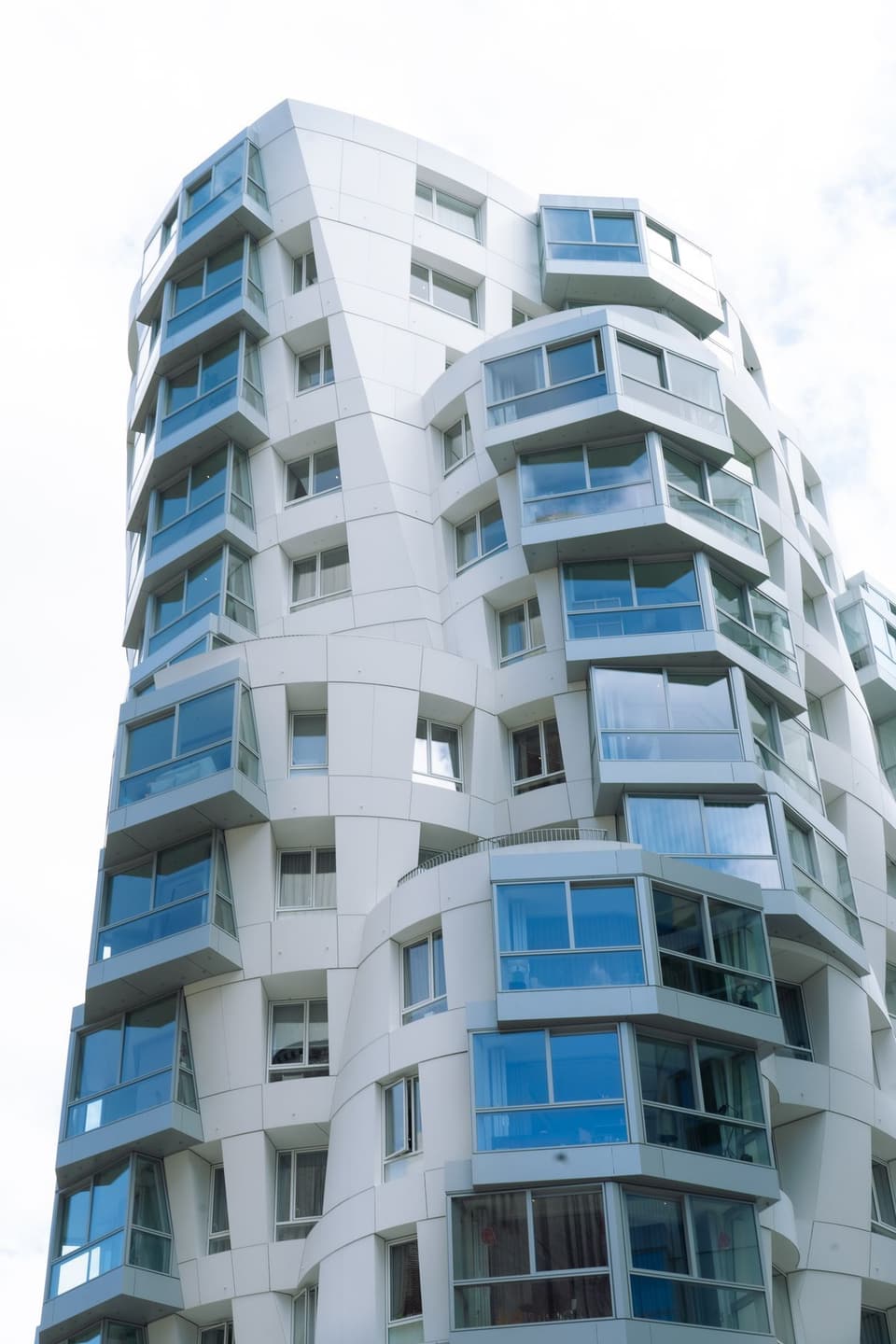
What social landlords are responsible for
Under the Fire Safety Order 2005 you are the Responsible Person for the common parts of your blocks of flats, sheltered and supported schemes, HMOs and mixed-use buildings. Each needs a suitable and sufficient fire risk assessment, kept under review, with its actions completed.
The Fire Safety Act 2021 confirmed that the Order covers the structure, external walls (including windows and balconies) and flat entrance doors of multi-occupied residential buildings. Homes themselves must also be safe: working smoke and carbon monoxide alarms, electrical safety, and fire safety within the home.
In England
The Regulator of Social Housing's consumer standards require you to keep tenants safe and hold accurate data on your homes, and the regulator now inspects against them. The Fire Safety (England) Regulations 2022 add resident information and fire door checks above 11 metres, and the tallest blocks are higher-risk buildings.
In Wales
Social landlords must meet the Welsh Housing Quality Standard (WHQS 2023), including safe homes with appropriate fire safety measures. The England-only 2022 Regulations and higher-risk building regime do not apply. The Welsh Government is reforming building safety law, including new duties for multi-occupied residential buildings.
Where portfolio programmes come unstuck
Flat entrance doors
Now firmly in scope of every assessment of a multi-occupied block.
External walls
Walls, windows and balconies that the assessment must now consider.
Compartmentation
Doubt about the construction behind the common parts' walls and ceilings.
Vulnerable residents
Sheltered and extra care residents who may need help to escape.
Open actions
Findings that are recorded but never closed out with evidence.
Inconsistent data
Reports in different formats that cannot be compared across the stock.
From findings to completed actions
Our team carries out fire door and fire stopping works, and alarms, AOVs, sprinklers and risers sit in the same programme.
Fire risk assessments
BS 9792 assessments at portfolio scale, with the Type agreed per building.
Fire doors
Surveys, repairs and replacements to BS 8214, including flat entrance doors.
Fire stopping
Compartmentation remediation with a photographic record of every penetration.
Alarms and smoke control
Detection, alarm and AOV systems, serviced on one schedule.
Extinguishers
Servicing alongside alarms and emergency lighting on one schedule.
Compliance contract
Ongoing servicing, plus the checks higher-rise buildings in England require.
A programme that succeeds on planning and data
We work to your review cycle, prioritising by risk, height and resident vulnerability, with a single point of contact. Assessments follow a consistent format so findings can be compared across your stock, and completion evidence is uploaded against the original action.
- Resident communication and access arranged with your housing officers
- Consistent action plans with priorities and timescales
- Action data you can load into your asset management system
- Every report, certificate and next-due date in the Vocus Fire Safety Portal
- Regular progress reporting for your compliance lead and board
The detail, when you need it
Type 1, 2, 3 or 4: which assessment does each block need?
We assess housing to BS 9792:2025, which replaced PAS 79-2. For purpose-built blocks of flats we agree the type before we visit, following the LGA guide "Fire safety in purpose-built blocks of flats":
- Type 1: common parts, non-destructive. The normal starting point for most blocks.
- Type 2: common parts, with some intrusive inspection, where there is doubt about compartmentation.
- Type 3: common parts and a sample of flats, non-destructive, where the evacuation strategy depends on protection inside flats.
- Type 4: common parts and flats, intrusive, where serious concerns need a full investigation.
Sheltered, extra care and supported housing
Residents in sheltered and extra care schemes may need help to escape, so the stay-put or simultaneous evacuation strategy needs careful review. We also assess the supported housing and HMOs in your stock.
Extra duties in England
The Fire Safety (England) Regulations 2022 apply to residential buildings with two or more sets of domestic premises, including resident information and, in buildings over 11 metres, quarterly checks of communal fire doors and best-endeavours annual checks of flat entrance doors.
Buildings of 18 metres or 7 storeys and above with two or more homes are higher-risk buildings under the Building Safety Act 2022, with registration, an Accountable Person and a safety case.
Frameworks and procurement
Most social landlords buy through frameworks and competitive tenders. We are happy to work through your chosen route, to respond to tenders, and to provide the method statements, insurance details and certification evidence procurement teams need.
At a glance
- Who it's for
- Housing associations, local authority landlords and managing agents
- Standard
- BS 9792:2025, with Type 1 to 4 assessments for blocks of flats
- Regulation
- WHQS 2023 (Wales) · RSH consumer standards (England)
- Experience
- Assessments led by a Managing Director with 30+ years in Fire and Rescue
- You receive
- A managed programme, consistent reports and complete records in one portal
- Rates
- Fixed rates agreed per building type
Speak to the team
Questions about your building or your duties? Talk them through with us before you commit to anything.
0330 133 4591Fire service experience, one accountable contract.
30+ years in Fire and Rescue
Our Managing Director, Paul Chamberlain, spent more than three decades in Fire and Rescue, from operational incident command to strategic leadership. That is the lens every assessment is written through.
Wales and England, done right
Fire safety law differs either side of the Severn. Every report and recommendation is written for the rules that actually apply to your building.
One accountable contract
Assessment, remediation and ongoing maintenance under one contract, with one point of contact. No gaps between contractors for you to manage.
Every record in one place
Reports, certificates and next-due dates for every site in the Vocus Fire Safety Portal, ready to show an inspector, insurer or auditor.
Housing association fire safety questions
Short answers to what social landlords ask us most. Can't see yours? Call us on 0330 133 4591.
Which standard do you use for housing fire risk assessments?
BS 9792:2025, the British Standard for fire risk assessment in housing, which replaced PAS 79-2. For purpose-built blocks of flats we also agree the assessment type, from Type 1 to Type 4, before we visit.
Do flat entrance doors need to be included?
Yes. The Fire Safety Act 2021 confirmed that flat entrance doors, the structure and the external walls of multi-occupied residential buildings fall within the Fire Safety Order. In England, the Fire Safety (England) Regulations 2022 also require best-endeavours annual checks of flat entrance doors in buildings over 11 metres.
Do the Fire Safety (England) Regulations 2022 apply in Wales?
No, they apply in England only. In Wales the Fire Safety Order applies, and social landlords are measured against the Welsh Housing Quality Standard. The Welsh Government is reforming building safety law, and we keep clients informed as new duties are confirmed.
How often should we reassess our blocks?
Regularly, and whenever something significant changes. Many landlords review higher-risk buildings, such as high-rise blocks and sheltered schemes, every year, and lower-risk buildings less often. We can help you set a risk-based review cycle for your portfolio.
Can you deliver the remedial works as well as the assessments?
Yes. Our team carries out fire door and fire stopping works, and we can take care of alarms, emergency lighting, AOVs and sprinklers too. Completion evidence is recorded against each action in the portal.
Can our data go into our asset management system?
We structure every action with a priority, timescale and location so it can be tracked in your own systems. Tell us what your system needs at the start of the programme and we will agree the format with you.
Services
Sectors
Further reading: Who is the Responsible Person in a block of flats? · Fire door checks for landlords in England and Wales · What is fire stopping? · What is a PAS 79 fire risk assessment?
Talk to us about your housing stock
Tell us about your portfolio, the building types and where your programme stands, and we will propose a scope, a programme and fixed rates.