
Fire alarms, emergency lighting and smoke control
Alarms, emergency lighting and smoke control only protect people if they suit the building and are serviced on time. We provide fire alarms to BS 5839 and emergency lighting to BS 5266-1, and take care of sprinklers, suppression and smoke ventilation too. One schedule, one contact, one record, across South Wales, Bristol and the South West.
- BS 5839Alarm design and servicing
- Every 6 monthsMaximum alarm service interval
- BS 5266-1Emergency lighting tests
- One contractEvery system on one schedule
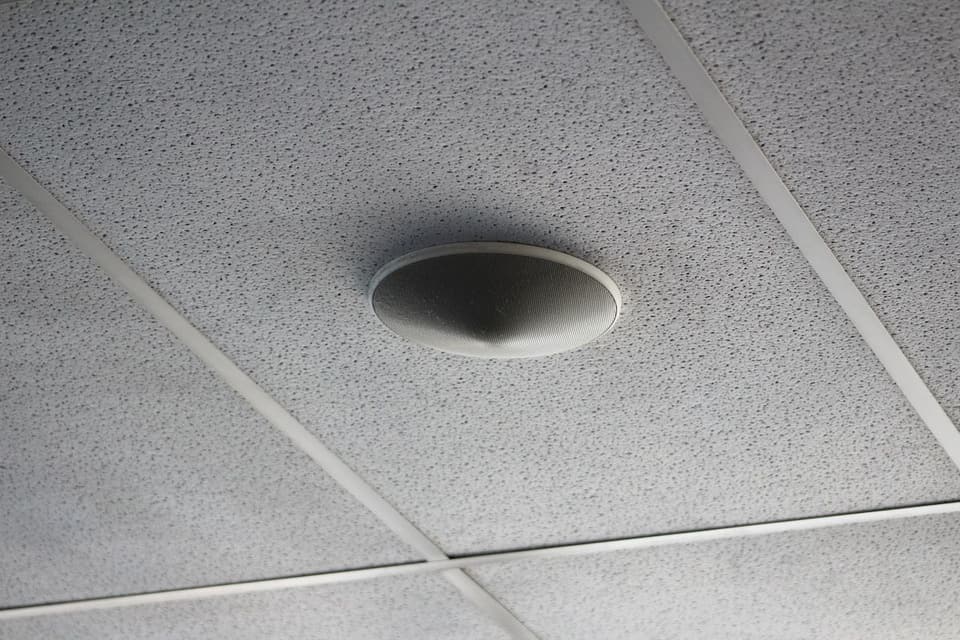
Every premises needs a way to detect fire and warn people
The Regulatory Reform (Fire Safety) Order 2005 requires appropriate means of detecting fire and giving warning, maintained in efficient working order. Your fire risk assessment decides what is appropriate: a small shop may need little more than a manual system; a care home, school, hotel or HMO needs automatic detection.
We make sure your alarm and detection suit the building and meet the right standard, and keep the paperwork together.
In England
Private landlords must fit a smoke alarm on every storey used as living accommodation and a carbon monoxide alarm in any room with a fixed combustion appliance (except gas cookers), and repair or replace faulty alarms once told, under the Smoke and Carbon Monoxide Alarm (England) Regulations 2015, as amended in 2022.
In Wales
Under the Renting Homes (Wales) Act 2016 fitness regulations, rented homes need mains-powered, interlinked smoke alarms on every storey, and a carbon monoxide alarm where there is a gas, oil or solid-fuel appliance. New and converted homes also need sprinklers.
What we look after
Everything from the first survey to the next service booking, with sprinklers and smoke control brought onto the same schedule.
Survey and design
Checked against your fire risk assessment, with the category or grade confirmed.
Install and commission
New systems installed, commissioned and handed over with certificates.
Alarm servicing
At intervals not exceeding six months to BS 5839-1, plus false alarm investigation.
Logbooks and user tests
Logbook set-up and review, and guidance on weekly tests.
Emergency lighting
Annual full-duration test to BS 5266-1, planned around recharge time.
Sprinklers and smoke control
Sprinklers, suppression, AOVs and smoke control serviced on the same schedule.
From records check to next visit booked
Review
Your fire risk assessment, certificates and logbook: what you have and when it was serviced.
Survey and scope
We check the system suits the building's current use and fix a price.
Deliver
The work is carried out around residents, pupils or trading hours.
Certify and record
Certificates with any defects listed, added to the Vocus Fire Safety Portal.
Book the next visit
The next six-monthly service and annual lighting test are scheduled so nothing lapses.
A certificate after every visit
Each certificate states what was inspected and tested, the system category, any defects and what we recommend. New systems come with design, installation and commissioning certificates and a logbook.
- Service or test certificate with defects listed
- Next-due dates for every system
- Sprinkler, suppression and smoke control certificates filed
- Ready for an inspector, insurer, CQC or Care Inspectorate Wales
The detail, when you need it
BS 5839-1 categories: M, L and P
Non-domestic systems are specified by what they protect. Category M is manual call points only. Category L is automatic detection to protect life: L1 covers the whole building; L2 and L3 cover escape routes plus rooms that open onto them or present a higher risk; L4 covers escape routes only; L5 is a bespoke design for a specific risk. Category P protects property, across the whole building (P1) or defined high-risk areas (P2). Many buildings combine categories, which should be stated in your fire risk assessment or fire strategy and on the design certificate.
Homes, flats and HMOs: BS 5839-6 grades
BS 5839-6 sets a Grade (the equipment, from Grade A panel systems to Grade D1 and D2 mains-powered interlinked alarms with battery backup, and Grade F battery-only alarms) and a Category (coverage, from LD1 throughout to LD3 on escape routes only). Larger or higher-risk HMOs often need a Grade A system with a control panel. The LACORS guide, used in both England and Wales, sets out typical specifications by property type.
Servicing, weekly tests and false alarms
A service checks detectors and call points on a rotating basis, the panel, batteries, sounders and any links to other systems or an alarm receiving centre, and ends with a certificate listing defects. Between services, test weekly from a different call point each time, at roughly the same time of day, and log every test, false alarm, fault and visit. A logbook with gaps is one of the most common fire risk assessment findings.
Repeated false alarms mean people stop responding, fire and rescue services may not attend automatic calls without confirmation, and business is disrupted. We trace causes in the logbook and recommend fixes, such as a different detector type, relocated heads or revised cause-and-effect.
Emergency lighting testing
If the power fails during a fire, emergency lighting lets people find the exits. BS 5266-1 recommends a short monthly functional test of every luminaire and exit sign, and a full rated-duration test (usually three hours) once a year, with results recorded in the logbook. We plan the annual test around the recharge time.
Smoke control, AOVs and sprinklers
Automatic opening vents (AOVs), smoke shafts and other smoke control systems keep escape stairs and corridors clear enough to use. They are designed and tested under the BS EN 12101 series, and sprinklers to BS EN 12845 (commercial) or BS 9251 (residential). In England, Approved Document B requires sprinklers in new residential buildings over 11 metres; in Wales, the Domestic Fire Safety (Wales) Measure 2011 requires them in new and converted homes, including houses and flats built since 1 January 2016.
We arrange and manage servicing of these systems as part of your contract, schedule the visits, follow up defects and hold the certificates with your other records.
At a glance
- Who it's for
- Any Responsible Person or landlord with an alarm, emergency lighting or smoke control system
- Standards
- BS 5839-1 · BS 5839-6 · BS 5266-1 · BS EN 12101 · BS EN 12845 · BS 9251
- Frequency
- Alarm service at least every six months · emergency lighting tested monthly and annually
- Also covered
- AOVs, smoke control, sprinklers and suppression, serviced on the same schedule
- Price
- Fixed quote before we visit
Speak to the team
Questions about your building or your duties? Talk them through with us before you commit to anything.
0330 133 4591Fire service experience, one accountable contract.
30+ years in Fire and Rescue
Our Managing Director, Paul Chamberlain, spent more than three decades in Fire and Rescue, from operational incident command to strategic leadership. That is the lens every assessment is written through.
Wales and England, done right
Fire safety law differs either side of the Severn. Every report and recommendation is written for the rules that actually apply to your building.
One accountable contract
Assessment, remediation and ongoing maintenance under one contract, with one point of contact. No gaps between contractors for you to manage.
Every record in one place
Reports, certificates and next-due dates for every site in the Vocus Fire Safety Portal, ready to show an inspector, insurer or auditor.
Fire alarm and emergency lighting questions
Short answers to what people ask us most. Can't see yours? Call us on 0330 133 4591.
How often does a fire alarm need servicing?
BS 5839-1 recommends servicing by a competent person at intervals not exceeding six months, so twice a year for most premises. The user should also test the system weekly from a different call point each time and record it in the logbook. Your insurer or fire risk assessment may ask for more frequent checks in higher-risk buildings.
What category of fire alarm does my building need?
It depends on the use of the building and who is in it, and your fire risk assessment should say. Sleeping accommodation such as care homes usually needs L1 or L2 coverage, while a simple workplace may only need a Category M manual system. We can review your assessment and existing system and tell you whether it still matches the building.
How often should emergency lighting be tested?
BS 5266-1 recommends a brief functional test every month and a full rated-duration test, usually three hours, once a year. Both should be recorded in the logbook. Many sites do the monthly test themselves and have the annual test carried out by a competent contractor.
Can you look after sprinklers and AOVs too?
Yes. Sprinkler, suppression, AOV and smoke control servicing can sit in the same contract as your alarm and emergency lighting. We arrange the visits, check the certificates, follow up defects and keep everything in your portal alongside your other records, so you deal with one point of contact.
What smoke alarms does a rented home in Wales need?
Under the Renting Homes (Wales) Act 2016 fitness regulations, landlords must fit mains-powered, interlinked smoke alarms on every storey, and a carbon monoxide alarm where there is a gas, oil or solid-fuel appliance. The rules in England are different and set a lower minimum. HMOs in both countries usually need more, based on the LACORS guide and the fire risk assessment.
How can we reduce false alarms?
Start with the logbook: record the cause of every false alarm so patterns show up. Common fixes include changing smoke detectors near kitchens or showers to heat or multi-sensor types, managing hot works and dust from contractors, and reviewing the system's cause-and-effect. We can investigate and recommend changes as part of a service visit.
Services
Sectors
Further reading: Fire alarm testing and servicing: what the law expects · Emergency lighting testing · Sprinklers in new homes in Wales
Get your alarms and life safety systems in order
Tell us what systems you have and when they were last serviced. We will confirm what needs doing, when, and a fixed price before any visit.