
Fire safety for care homes
Care homes carry some of the highest fire risk of any building, because residents sleep there and many cannot escape without help. We work with registered managers, owners and groups to assess that risk, fix what needs fixing and keep every check up to date under one contract, under both CIW and CQC regimes.
- CIW · CQCWales and England regulators
- PAS 79-1:2020Assessment standard we use
- 30+ yearsFire and Rescue experience
- One contractEvery check, one fixed budget
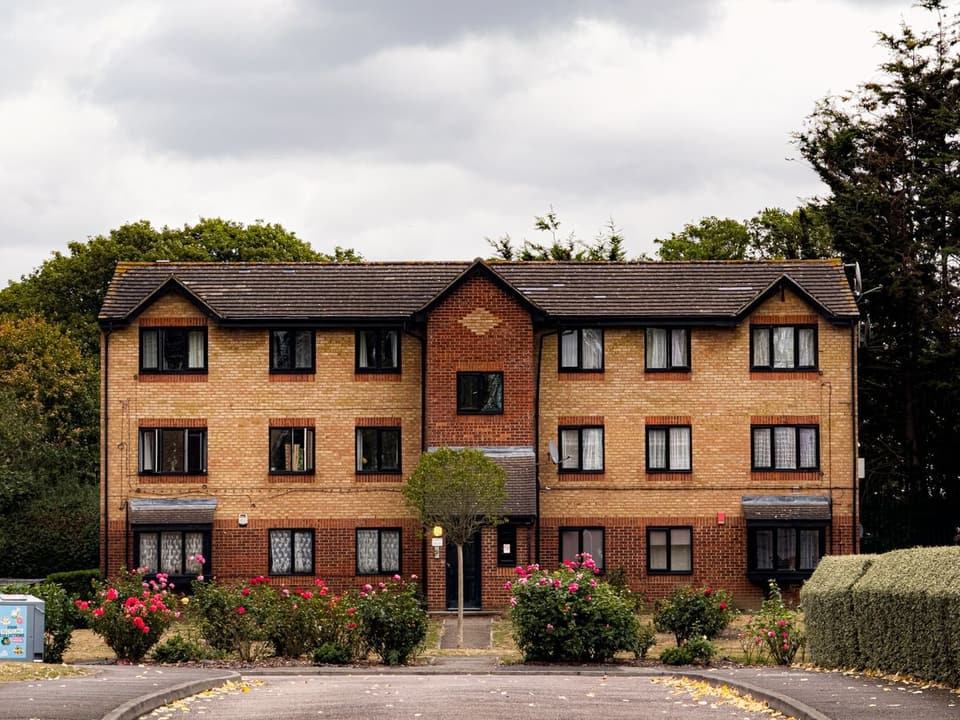
The building has to hold a fire back while staff move residents
The Regulatory Reform (Fire Safety) Order 2005 applies to care homes in England and Wales. The Responsible Person, usually the registered provider or owner, must carry out a suitable and sufficient fire risk assessment, put its precautions in place and maintain them. The fire and rescue service enforces the Order and audits care homes.
Your care regulator also looks at fire safety as part of whether the service is safe. Inspectors commonly ask for the assessment, the action plan, drill records and servicing certificates.
In England
The Care Quality Commission (CQC) regulates care homes and considers fire safety under its safe care and premises requirements. Since October 2023 every Responsible Person must record the full fire risk assessment in writing.
In Wales
Care Inspectorate Wales (CIW) registers and inspects care homes under the Regulation and Inspection of Social Care (Wales) Act 2016. New and converted care homes have required sprinklers since 2014 under the Domestic Fire Safety (Wales) Measure 2011.
Why care homes are different
The alarm-sounds-and-everyone-walks-out plan does not work here. Compartments, doors, detection and staffing all have to work together.
Dependent residents
Frail, medicated or living with dementia, many rely on staff to move at all.
Night staffing
Residents are asleep and fewer staff are on duty when fires are most dangerous.
Breached compartments
Cables, pipes and ducts added over the years pass through walls above ceilings.
Doors held open
Bedroom doors wedged open, and heavy wear from trolleys, wheelchairs and hoists.
Out-of-date PEEPs
Evacuation plans that no longer match residents' needs or the staff on duty.
False alarms
Repeated false alarms erode staff confidence and can affect the fire service response.
Assess, fix and keep it that way
Fire risk assessments
To PAS 79-1:2020, testing your evacuation plan against night staffing levels.
Fire stopping
Breaches sealed with certified products and a photographic record of every penetration.
Fire doors
Gaps, seals, closers and hardware checked; hold-open devices linked to the alarm.
Alarms and sprinklers
Detection serviced and upgraded, with sprinklers on the same schedule.
Staff training and drills
Care-specific training delivered in-house, with drills planned and recorded.
One compliance contract
Every check on one schedule, paid yearly or as a smoothed plan that costs no more.
Fire door, fire stopping and extinguisher work is carried out by our own team.
Your evidence in one place when the inspector asks
Every report, certificate and next-due date is held in the Vocus Fire Safety Portal, so you can show CIW, CQC or the fire service your records in minutes.
- Current fire risk assessment and action plan
- Alarm, emergency lighting and extinguisher certificates
- Fire door inspection records
- Training and drill records
The detail, when you need it
Progressive horizontal evacuation and PEEPs
Most care homes divide each floor into fire compartments or protected zones. When the alarm sounds, staff move residents from the zone at risk into a neighbouring zone on the same level. Only if the fire keeps spreading do residents move further, and vertical evacuation down stairs is a last resort.
A personal emergency evacuation plan (PEEP) records how each resident moves, what equipment they need (for example a ski sheet or evacuation chair) and how many staff it takes. Keep PEEPs current as needs change, and make sure the numbers they add up to match the staff you actually have on duty.
Night staffing: the question inspectors ask
Your fire risk assessment should show that, with the staff on duty at night, residents in the affected zone can be moved to safety in a realistic time. That depends on compartment size, the number of highly dependent residents in it and how quickly staff can respond.
Where the numbers do not work, we set out the options: smaller compartments, better detection, more staff at night, or moving highly dependent residents nearer to protected areas. Timed drills at night staffing levels are the best evidence that your plan is realistic.
Detection, alarms and sprinklers
A BS 5839-1 system with automatic detection throughout, typically Category L1, is the norm. An addressable panel that tells staff exactly which room has activated saves vital minutes at night. The system needs servicing at intervals not exceeding six months and a weekly test.
Sprinklers contain a fire in the room of origin. In Wales they are required in new and converted care homes. In England they are not a blanket requirement in every care home, but are increasingly recommended and can support larger compartments.
Fire doors and hold-open devices
Residents often want their bedroom doors open. Hold-open devices and free-swing door closers linked to the fire alarm let doors stay open safely and close when the alarm sounds. Wedges and furniture must never be used. Our inspections check gaps, seals, closers and hardware to BS 8214.
Staff training and drills
Every member of staff, including agency and night staff, must know how to raise the alarm, use the zone plan and move residents. Training should be refreshed regularly, and drills should include night staffing scenarios. We deliver care-specific training in-house and help you plan and record drills, so the evidence is ready when your inspector asks.
At a glance
- Who it's for
- Registered managers, owners and care groups
- Key risks
- Sleeping and dependent residents, night staffing, breached compartments, fire doors held open
- Regulators
- Fire and rescue service, plus CIW (Wales) or CQC (England)
- Standards
- PAS 79-1:2020 · BS 5839-1 · BS 5266-1 · BS 8214
- Experience
- Assessments led by a Managing Director with 30+ years in Fire and Rescue
- Price
- Fixed quote before we visit
Speak to the team
Questions about your building or your duties? Talk them through with us before you commit to anything.
0330 133 4591Fire service experience, one accountable contract.
30+ years in Fire and Rescue
Our Managing Director, Paul Chamberlain, spent more than three decades in Fire and Rescue, from operational incident command to strategic leadership. That is the lens every assessment is written through.
Wales and England, done right
Fire safety law differs either side of the Severn. Every report and recommendation is written for the rules that actually apply to your building.
One accountable contract
Assessment, remediation and ongoing maintenance under one contract, with one point of contact. No gaps between contractors for you to manage.
Every record in one place
Reports, certificates and next-due dates for every site in the Vocus Fire Safety Portal, ready to show an inspector, insurer or auditor.
Care home fire safety questions
Short answers to what care providers ask us most. Can't see yours? Call us on 0330 133 4591.
How often should a care home fire risk assessment be reviewed?
At least annually is the common expectation for care homes, and sooner if anything significant changes, such as building works, a change in the number or dependency of residents, or a fire or near miss. The law requires regular review rather than a fixed interval. Your report will state a recommended review date.
What is progressive horizontal evacuation?
It is the evacuation strategy most care homes use. Staff move residents away from the fire into a neighbouring protected zone on the same floor, and only move them further if the fire continues to spread. It relies on sound compartmentation, working fire doors and enough staff to move residents in time.
Does every resident need a PEEP?
Any resident who would need help to evacuate should have a personal emergency evacuation plan, and in most care homes that is nearly everyone. The PEEP should record how the person moves, what equipment is needed and how many staff it takes. Review PEEPs whenever a resident's needs change.
Can we hold bedroom fire doors open?
Yes, if you use a device that releases the door automatically when the fire alarm operates, such as a free-swing closer or a hold-open device linked to the alarm system. Wedges and furniture must never be used. We can advise on suitable devices and check they are working during inspections.
Do care homes need sprinklers?
In Wales, new and converted care homes are required to have sprinklers under the Domestic Fire Safety (Wales) Measure 2011. In England they are not required in every care home, but they are strongly recommended where residents cannot escape unaided. Your fire risk assessment may recommend them for an existing home depending on its layout and residents.
What will CIW or CQC want to see about fire safety?
Expect to be asked for a current fire risk assessment and evidence that its actions are being completed. Inspectors also commonly look at servicing certificates for alarms, emergency lighting and extinguishers, staff training and drill records, and PEEPs. Keeping these in the Vocus Fire Safety Portal means you can produce them straight away.
Can you work without disrupting residents?
Yes. We plan visits and works around your routines, agree access to bedrooms with your team, and keep noisy or dusty work to agreed times and areas. Where fire protection has to be taken out of use, we agree temporary measures with you first.
Services
Sectors
Further reading: Care home fire safety under CIW and CQC · What is a PAS 79 fire risk assessment? · Fire strategy vs escape strategy
Talk to us about your care home
Tell us about your home, the number of residents and any recent inspection findings, and we will suggest where to start and confirm a fixed price.