
Fire risk assessments in Cardiff, Newport, South Wales and the South West
A fire risk assessment is a legal requirement for almost every non-domestic building, and for the common parts of flats and HMOs. We carry out assessments to PAS 79-1:2020 and BS 9792:2025, led by a Managing Director with 30+ years in Fire and Rescue, and give you a plain-English report with a prioritised action plan. We're based in Newport and cover South Wales, Bristol and the South West, and take on multi-site portfolios across England and Wales, including the Midlands and London./p>
- 30+ yearsFire and Rescue experience
- PAS 79-1 · BS 9792Non-housing and housing
- Wales & EnglandAdvice for your side of the border
- Fixed priceAgreed before we visit
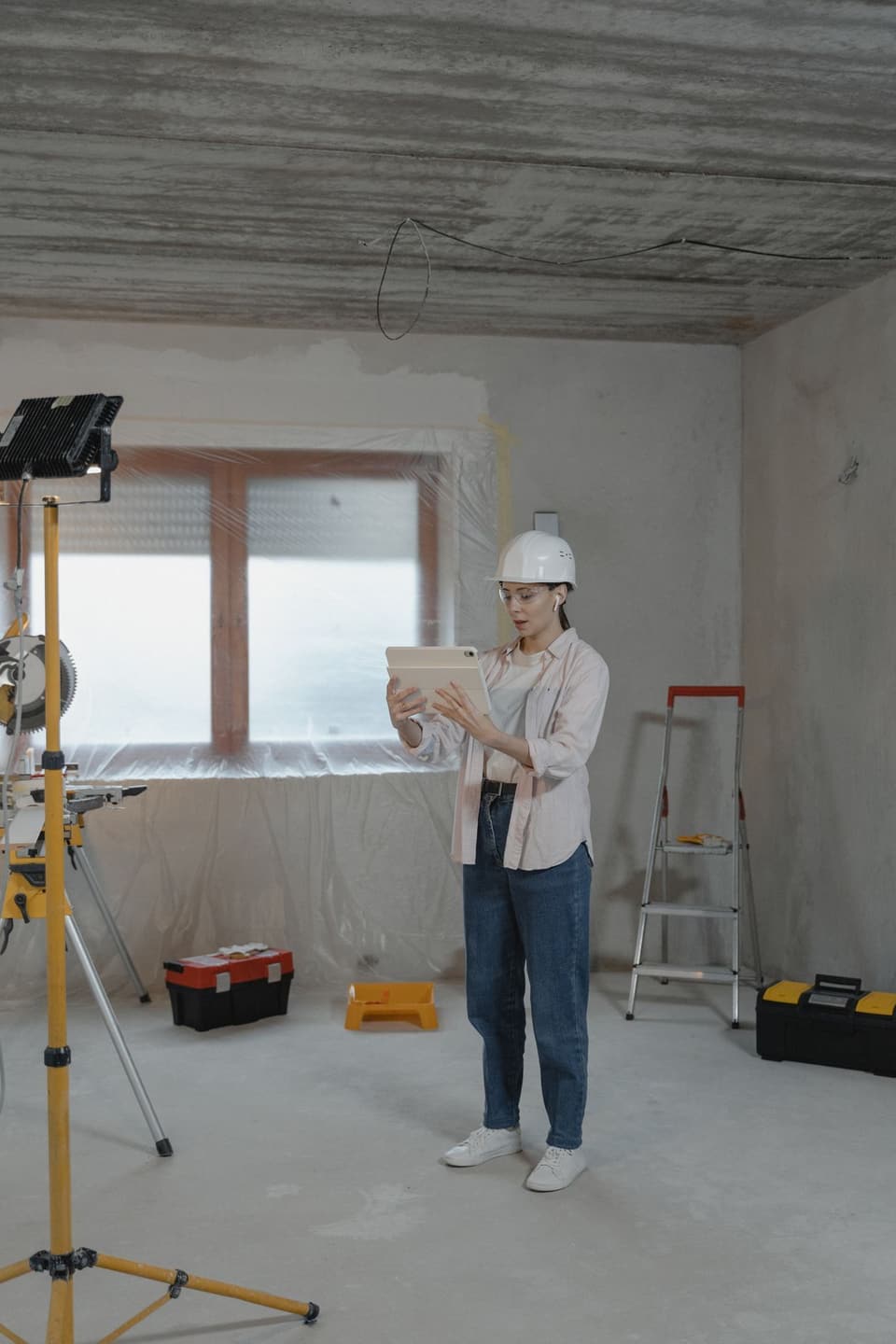
If you control a building, the duty is probably yours
The Regulatory Reform (Fire Safety) Order 2005 applies in England and Wales. It makes the "Responsible Person", usually the employer, owner, landlord or managing agent, carry out a suitable and sufficient fire risk assessment and act on it.
That covers workplaces, shops and offices; care homes, schools and anywhere people sleep; and the common parts of blocks of flats, HMOs and mixed-use buildings. In flats, the Fire Safety Act 2021 means the assessment must also consider the structure, external walls and flat entrance doors.
In England
Every Responsible Person must record the full assessment in writing (since October 2023). Blocks with two or more flats have extra duties under the Fire Safety (England) Regulations 2022, including fire door checks above 11 metres.
In Wales
The Fire Safety Order applies in full; the England-only 2022 Regulations do not. A written record is required if you employ five or more people, hold a licence or have an alterations notice, and is best practice for everyone. Welsh building safety law is being reformed and we will tell you how it affects you.
What we look at
A walk-through of the whole premises, including plant rooms, roof voids and risers where access allows, plus a review of your records.
Means of escape
Travel distances, exits, stairs, signage and emergency lighting.
Detection and alarm
System type and coverage for the building, and evidence of servicing.
Compartmentation and doors
A visual check of fire-resisting walls, service penetrations and fire doors.
Ignition and fuel
Electrical, heating and cooking risks, storage, housekeeping and arson.
People at risk
Residents, staff and visitors, especially anyone who needs help to escape.
Management
Training, drills, maintenance records and your emergency plan.
From first call to finished action plan
Scope and quote
We confirm the standard, assessment type and a fixed price.
Document review
We check your previous assessment, certificates and plans.
Site inspection
An experienced assessor from our team visits, working around your residents or trading hours.
Report
Every finding rated, with a clear timescale for each action.
Works and review
We can deliver the actions and remind you when a review is due.
A report written for the person who has to act on it
It opens with an overall risk rating and the significant findings, then sets out what we inspected and what we found. Every issue sits in one action plan with a priority and a timescale.
- Overall risk rating and summary
- Prioritised action plan you can assign and track
- Recommended review date, with the reason
- Stored in the Vocus Fire Safety Portal with your certificates
The detail, when you need it
PAS 79-1 or BS 9792: which standard applies?
The law does not name a method, but a recognised methodology is the best evidence that your assessment is "suitable and sufficient". We use PAS 79-1:2020 for non-housing premises such as offices, shops, schools and care homes, and BS 9792:2025 for housing, including blocks of flats and HMOs. BS 9792 replaced PAS 79-2.
Type 1, 2, 3 or 4: how far does the assessment go in flats?
Type 1 is a non-destructive inspection of the common parts and is what most blocks need. Type 2 adds some opening-up in the common parts. Type 3 includes a sample of flats, and Type 4 is intrusive in both. We recommend the right type before we quote.
How often should it be reviewed?
Regularly, and whenever something significant changes: building works, a change of use or occupancy, or a fire or near miss. There is no single legal interval. Higher-risk premises such as care homes and HMOs are commonly reviewed every year; lower-risk premises that haven't changed every one to three years. Your report states our recommended date.
What makes an assessor competent?
The Responsible Person must be able to show the assessment was carried out competently. Look for real experience of your type of building, knowledge of the law on your side of the border, a recognised methodology such as PAS 79-1 or BS 9792, and a clear report you can act on. Third-party certification schemes for assessors also exist. Our assessments are led by a Managing Director with more than 30 years in Fire and Rescue.
At a glance
- Who it's for
- Responsible Persons for workplaces, care settings, schools, HMOs and blocks of flats
- Standards
- PAS 79-1:2020 · BS 9792:2025
- You receive
- Written assessment, risk rating and action plan
- Price
- Fixed quote before we visit
Speak to the team
Questions about your building or your duties? Talk them through with us before you commit to anything.
0330 133 4591Fire service experience, one accountable contract.
30+ years in Fire and Rescue
Our Managing Director, Paul Chamberlain, spent more than three decades in Fire and Rescue, from operational incident command to strategic leadership. That is the lens every assessment is written through.
Wales and England, done right
Fire safety law differs either side of the Severn. Every report and recommendation is written for the rules that actually apply to your building.
One accountable contract
Assessment, remediation and ongoing maintenance under one contract, with one point of contact. No gaps between contractors for you to manage.
Every record in one place
Reports, certificates and next-due dates for every site in the Vocus Fire Safety Portal, ready to show an inspector, insurer or auditor.
Fire risk assessment questions
Short answers to what people ask us most. Can't see yours? Call us on 0330 133 4591.
Is a fire risk assessment a legal requirement?
Yes. The Regulatory Reform (Fire Safety) Order 2005 requires the Responsible Person for almost every non-domestic premises, and for the common parts of multi-occupied residential buildings, to carry one out. In England the full assessment must be recorded in writing. In Wales a written record is required if you employ five or more people, are licensed or have an alterations notice, and is best practice in every case.
How often does a fire risk assessment need to be reviewed?
Regularly, and whenever something significant changes, such as building works, a change of use or occupancy, or a fire. There is no fixed legal interval. Higher-risk premises are commonly reviewed every year, and lower-risk premises every one to three years.
What is the difference between PAS 79-1 and BS 9792?
Both are recognised methods for carrying out and recording a fire risk assessment. PAS 79-1:2020 covers non-housing premises such as offices, shops, schools and care homes. BS 9792:2025 covers housing, including blocks of flats and HMOs, and replaced PAS 79-2.
Can I carry out my own fire risk assessment?
The law allows it if you are competent, and for a small, simple, low-risk workplace that can be reasonable. For sleeping accommodation, people who need help to escape, complex buildings or blocks of flats, use a competent, experienced assessor working to a recognised methodology.
What happens after the assessment?
You work through the action plan in priority order. We can quote for the remedial works, such as fire doors, fire stopping, alarms or signage, deliver them under one contract, and update your records in the portal.
Which areas do you cover?
We are based in Newport and work across South Wales, including Cardiff, Monmouthshire, Torfaen and Caerphilly, and in Bristol and the South West. We also take on larger projects and multi-site portfolios across England and Wales, including the Midlands and London.
Services
Sectors
Further reading: What is a PAS 79 fire risk assessment? · How often should a fire risk assessment be reviewed?
Book a fire risk assessment
Tell us about your premises and we will confirm the scope, the type of assessment you need and a fixed price before we visit.